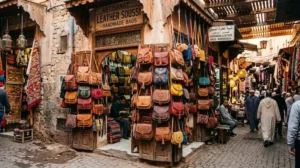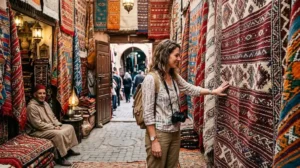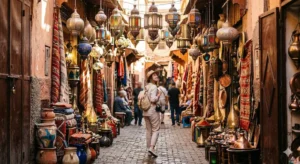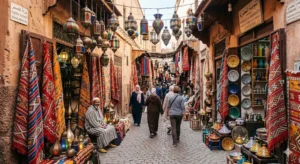

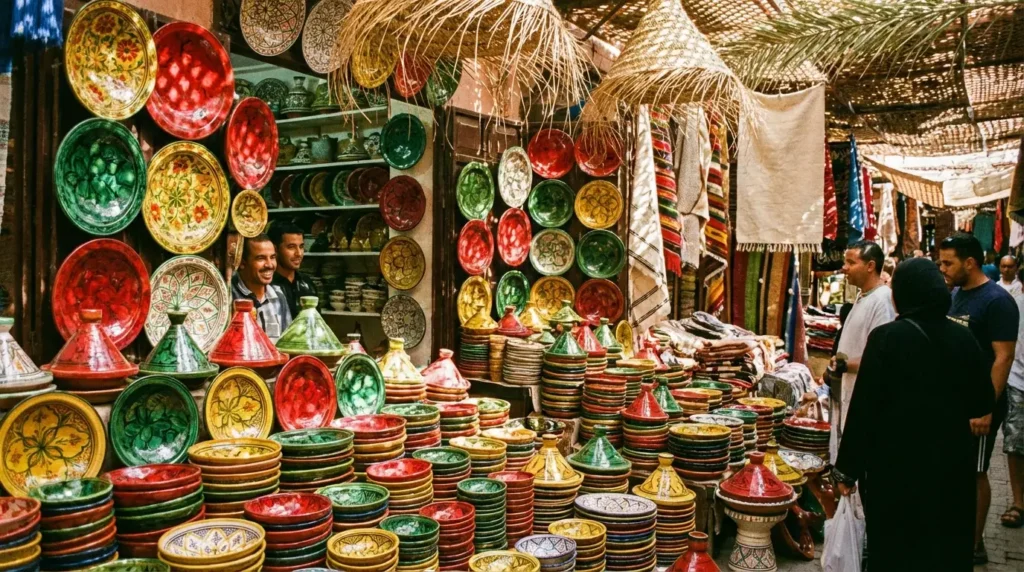

Sunlight filters through woven palm fronds, casting tiger-stripe shadows across mountains of glazed pottery. You stand in the center of a bustling medina, surrounded by towers of intricate bowls, towering vases, and hand-painted tagines. The sheer volume of colorful clay threatens to overwhelm your senses. Every merchant promises their wares represent the pinnacle of authentic craft. How do you distinguish a mass-produced souvenir from a genuine heirloom? Your journey into the world of moroccan ceramics begins long before you hand over any dirhams.
Understanding these artisanal treasures elevates your travel experience from mere shopping to cultural preservation. For food lovers, bringing the right vessel home means unlocking centuries-old culinary secrets. The wrong choice leaves you with a fragile dust collector, or worse, a bowl unfit for serving food. You must learn to read the clay.
Mastering this ancient art requires training your eye to catch subtle details in color, weight, and pattern. Two distinct cities dominate this craft, each boasting a fiercely protected visual identity. Knowing how to identify these regional signatures gives you immense negotiating power in the souks. Prepare to become an informed collector.
Table of Contents
Why the Origins of Your Moroccan Ceramics Matter
Clay tells the story of the earth it came from. The geographical origins of these pieces dictate their durability, their traditional uses, and their historical value. Artisans do not simply choose colors at random; their palettes reflect local minerals, historical trade routes, and dynastic influences. Recognizing these elements allows you to appreciate the labor poured into every brushstroke.
Imperial cities foster highly refined, mathematically precise art forms driven by royal patronage. Coastal towns, however, embrace broader influences, blending indigenous Berber motifs with Mediterranean flair. You are never just buying a plate. You are acquiring a physical manifestation of a region’s entire timeline.
For cooks and culinary enthusiasts, origin impacts functionality. Different regional clays possess varying levels of heat resistance and porosity. A decorative serving platter from one city might crack immediately if exposed to the direct flame required for slow-braising meats. Identifying the source ensures your kitchen tools perform correctly.
The Master Class: Deconstructing Fez and Safi Styles
Navigating the artisanal souks requires a specific visual vocabulary. The two undisputed capitals of this craft are Fez and Safi. While they might sit side-by-side on a merchant’s shelf in Marrakech, their creation processes remain worlds apart.
The Fez Tradition: Imperial Elegance and Cobalt Blue
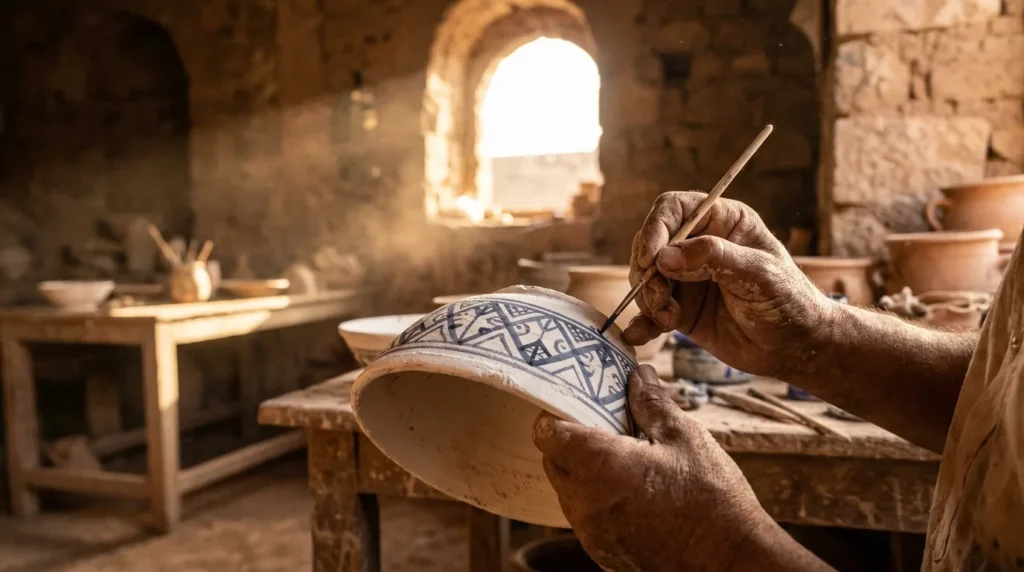
Fez represents the aristocratic peak of clay artistry. The city’s signature is the iconic “Fassi blue,” a deep, mesmerizing cobalt applied over a stark white background. This specific shade originates from a local cobalt ore, historically reserved for the wealthiest households. When you hold a Fez piece, you hold an item designed for palaces.
Patterns here rely heavily on intricate, repeating geometry. You will notice eight-point stars, complex floral arabesques, and precise symmetrical lines mirroring the famous zellij tilework found in madrasas. The brushwork demands absolute precision, often executed by master craftsmen using brushes made from a single donkey hair.
- The Clay Base: Fez uses a heavy, greyish clay sourced from the surrounding hills, making the final product dense and exceptionally durable.
- The Firing Process: Pieces undergo multiple high-temperature firings in traditional olive-pit kilns to achieve a glass-like, luminous glaze.
- Visual Check: Look for flawless symmetry and an almost cool, metallic sheen to the blue dye.
The Safi Approach: Coastal Colors and Berber Influence
Travel west to the Atlantic coast, and the aesthetic shifts dramatically. Safi pottery bursts with a vibrant, energetic polychrome palette. Artisans here embrace deep reds, sunny yellows, emerald greens, and warm turquoise. The Safi style feels significantly more relaxed and rustic compared to the rigid perfection expected in Fez.
Designs heavily incorporate indigenous Berber geometric patterns. You will find fish motifs representing coastal life, jagged zigzags symbolizing water or mountains, and bold, sweeping floral interpretations. The Safi pottery hill, an entire district dedicated to the craft, vibrates with a more fluid, expressive artistic freedom.
- The Clay Base: Safi clay boasts a distinct reddish-brown hue, rich in iron, which makes it slightly more porous than its northern counterpart.
- The Glaze Application: Colors often appear slightly raised off the surface, creating a beautiful, tactile texture under your fingertips.
- Visual Check: Search for metal overlay work (maillechort), a frequent and beautiful addition to Safi bowls and teapots.
| Feature | Fez Style | Safi Style |
|---|---|---|
| Primary Colors | Cobalt Blue & White | Polychrome (Red, Green, Yellow) |
| Motif Type | Strict Geometry & Arabesques | Fluid Floral & Berber Symbols |
| Clay Color | Greyish/White | Reddish-Brown |
| Historical Vibe | Imperial, Aristocratic | Coastal, Rustic, Expressive |
Practical Tips for Buying Authentic Pieces
Arming yourself with visual knowledge is only the first step. Executing a successful purchase requires tactile interaction and savvy negotiation. Never buy the first piece that catches your eye, and never accept the merchant’s initial asking price.
The Tactile Test
Pick the item up. Authentic, hand-thrown clay possesses substantial weight. If a large bowl feels suspiciously light, you are likely holding a factory-molded fake. Run your bare fingers across the painted surface. Hand-painted glazes leave microscopic ridges where the brush deposited the pigment. A perfectly smooth surface often indicates a printed decal.
Perform the ping test. Hold a plate loosely by its edge and tap the center sharply with your knuckle. High-quality, properly fired clay produces a clear, musical ring. A dull thud suggests hidden interior cracks or a low-temperature firing process that will compromise the item’s longevity.
Navigating the Purchase
Always negotiate playfully but firmly. Establish the piece’s origin with the vendor to show your expertise. Asking, “Is this Safi clay or Fez clay?” immediately shifts the dynamic, signaling that you cannot be easily fooled by cheap imitations. Aim to pay roughly half of the initial quoted price.
Consider the logistics of transport before buying oversized items. Request thick bubble wrap and sturdy cardboard boxes from the merchant. Pack smaller items tightly within your clothing, placing them strictly in the center of your checked luggage to buffer against impact.
Common Mistakes Buyers Make
Enthusiasm often clouds judgment in the sensory overload of the souks. Many travelers return home with beautiful objects they cannot actually use. Avoiding these specific errors ensures your purchase remains a cherished functional item rather than a regretful burden.
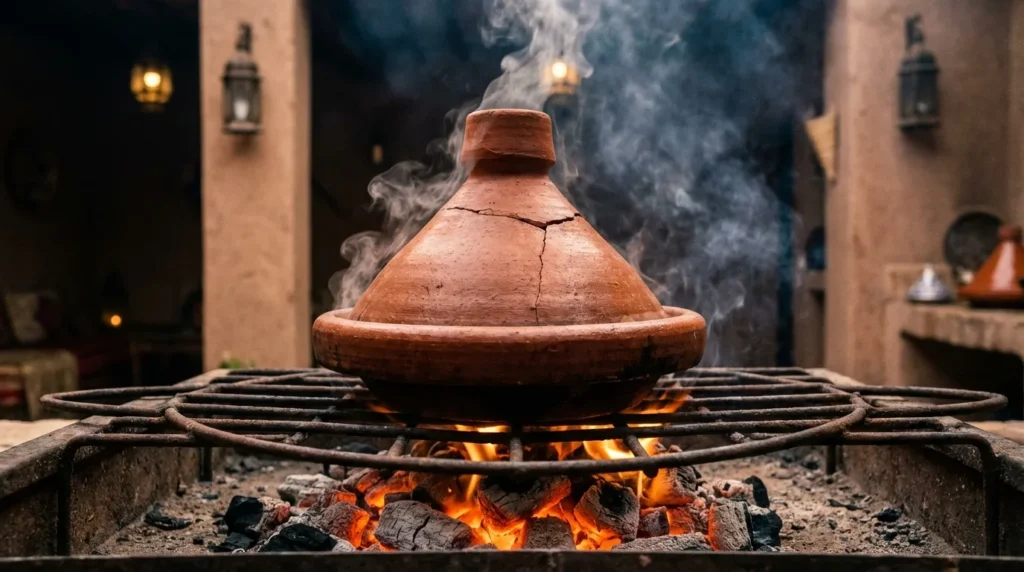
Purchasing decorative pieces for heavy culinary use represents the most frequent blunder. Many vibrant, intricately painted tagines serve exclusively as presentation dishes. Exposing these decorative vessels to a direct stovetop flame will cause them to shatter instantly. Always explicitly ask the vendor if a tagine is meant for the oven or the fire.
Ignoring the glaze composition poses a serious health risk. Older or cheaply produced items sometimes utilize lead-based glazes to achieve a high-gloss finish. While perfectly safe for holding fruit or acting as a centerpiece, acidic foods like lemons or tomatoes will leach the lead. Stick to reputable dealers who guarantee lead-free glazes for any food-contact surfaces.
Falling for fake aging techniques traps many novice collectors. Merchants occasionally rub dark shoe polish or dirt into the crazing (the fine web of cracks in the glaze) of new pieces to simulate antique value. Inspect the unglazed foot of the bowl; bright, clean clay betrays the artificial aging applied to the top.
The Culinary Connection: Using Your Pottery at Home
For the dedicated food lover, acquiring these vessels sparks culinary inspiration. Proper care and usage transform your kitchen into an extension of the Moroccan culinary tradition. You must respect the materials to extract their full potential.
Curing Your Cooking Tagine
If you purchased an unglazed, raw earth tagine specifically for cooking over a flame, you cannot use it immediately. The clay requires a strict curing process to prevent cracking and to seal the porous surface. Submerge the entire vessel, lid included, in cold water for a minimum of twenty-four hours.
After the soak, dry the pieces completely. Rub the interior generously with olive oil. Place the oiled tagine in a cold oven, slowly raise the temperature to 300°F (150°C), and bake it for two hours. Allow it to cool completely inside the oven. This slow tempering process strengthens the clay and infuses it with a non-stick patina.
Serving and Maintenance
Glazed serving bowls require gentler handling than modern dinnerware. Never place authentic moroccan ceramics in a dishwasher. The harsh detergents and rapid temperature fluctuations will degrade the vibrant glazes and cause microscopic fractures in the clay body. Hand wash your pieces with warm, soapy water and a soft sponge.
Embrace the natural evolution of the piece. High-quality glazes will naturally develop fine crazing lines over years of use. This is not a defect; it is a beautiful, expected aging process that adds character to your collection. Every meal served deepens the story embedded in the clay.
Deeper Insight: What Others Miss Completely
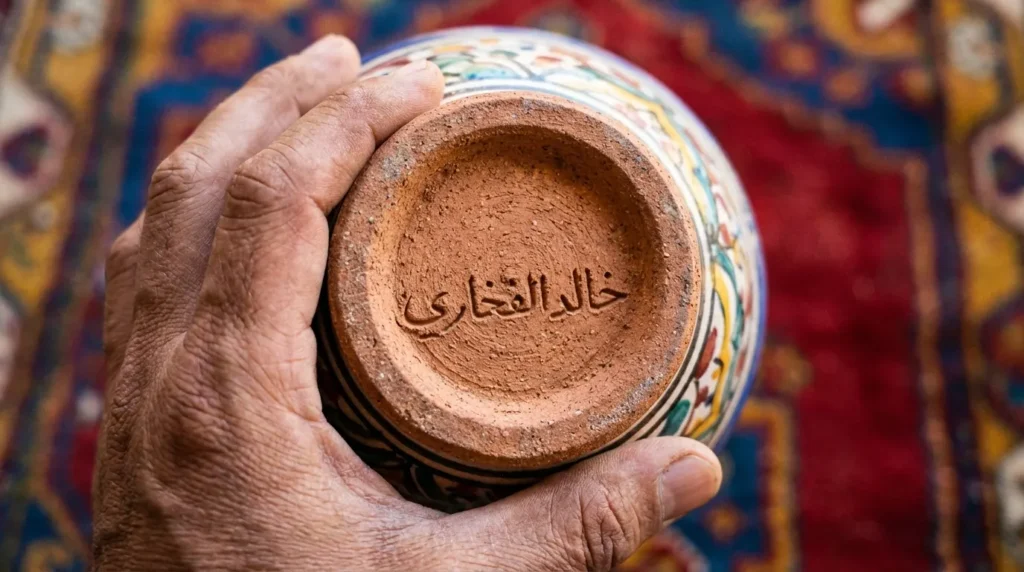
Most tourists obsess over the painted top surface and ignore the most telling feature of the piece: the bottom. Turn the bowl over and inspect the unglazed foot ring. This raw ring reveals the true color of the source clay, instantly confirming whether the piece hails from Fez (grey/white) or Safi (red/brown).
Look for the artisan’s signature. True master craftsmen carve their names or their workshop’s unique symbol directly into the wet clay before firing. Sometimes, you will find the name of the city stamped alongside the signature. A completely blank, perfectly smooth bottom frequently points to mass factory production.
Seek out the cooperative workshops located just outside the main tourist hubs. While the medina offers convenience, visiting the actual kilns allows you to watch the mesmerizing clay firing process firsthand. Purchasing directly from these cooperatives often secures a better price and guarantees your money supports the artists directly.
Frequently Asked Questions
Are moroccan ceramics safe for serving hot food?
Yes, provided you purchase pieces explicitly designated for food service. Ensure the vendor guarantees the use of lead-free glazes. Avoid using highly decorated, metallic-accented pieces for hot, acidic dishes, reserving those strictly for dry goods or decorative display.
How do I tell if a piece is hand-painted?
Run your fingertips gently across the design. Hand-painted items feature slight, raised ridges where the brush deposited the slip and pigment. You will also notice minor, charming imperfections in the symmetry that machine-printed decals cannot replicate.
Can I put my purchased tagine directly on an electric stove?
Never place a clay tagine directly on an electric coil or glass-top stove without a heat diffuser. The concentrated, localized heat will crack the base. Always use a metal diffuser plate to distribute the heat evenly across the terracotta bottom.
Why are Fez ceramics generally more expensive?
The Fez technique demands a much finer, denser clay and a highly specialized double-firing process. The intricate, mathematically precise cobalt blue patterns require significantly more time and master-level brushwork compared to the looser, rustic styles found elsewhere.
Preserving the Craft
Bringing genuine artisanal pottery into your home does more than elevate your interior decor. It connects you to an unbroken lineage of craftsmen who mold the earth with their bare hands. Choose your pieces thoughtfully, respect the materials, and let the vibrant colors of North Africa breathe life into your daily meals.
Now that you possess the knowledge to spot true artistry, it is time to put your skills to the test in the labyrinth of the souks. Download our ultimate medina shopping map and start planning your treasure hunt today!